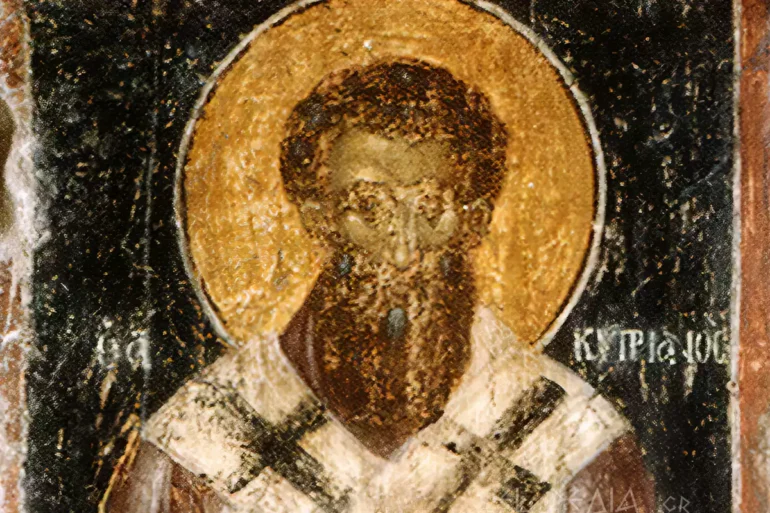
Title: Fresco of Saint Cyprian
Artist: Unknown
Type: Fresco
Date: Early 15th century
Dimensions: Unknown
Materials: Fresco on plaster
Location: Holy Monastery of Valsamonero, Church of Panagia Odigitria, Crete
The fresco of Saint Cyprian is an excellent example of late Byzantine art from the early 15th century, adorning the walls of the Holy Monastery of Valsamonero in Crete. The work captures with unique mastery the artistic tradition of the Cretan School, combining Byzantine and Western elements. The mural is part of the broader iconographic program of [...]
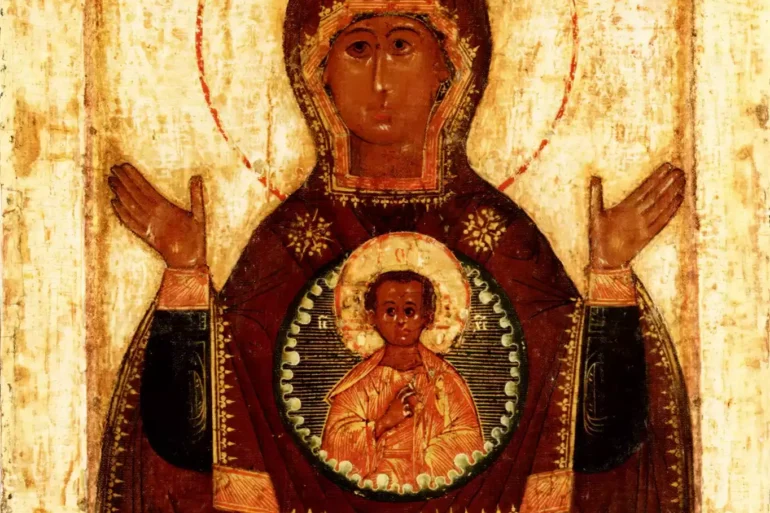
Title: Our Lady of the Sign
Artist: Unknown Iconographer of the Novgorod School
Type: Portable Icon of Byzantine Style
Date: circa 1600 AD
Dimensions: 53 x 41 cm
Materials: Egg tempera and gold leaf on wooden panel
Location: Museum of Russian Icons, Clinton, Massachusetts
Our Lady of the Sign is one of the most significant depictions of the Theotokos in the Orthodox iconographic tradition. It is an exceptional icon of the Novgorod School, dating around 1600 AD. The icon depicts the Virgin Mary in a posture of supplication [...]
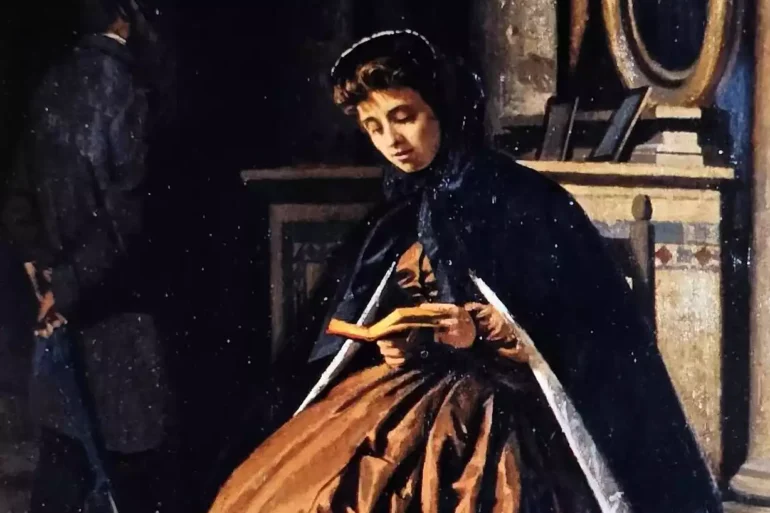
Close-up of the woman's face reading the prayer book in Abbati's painting.
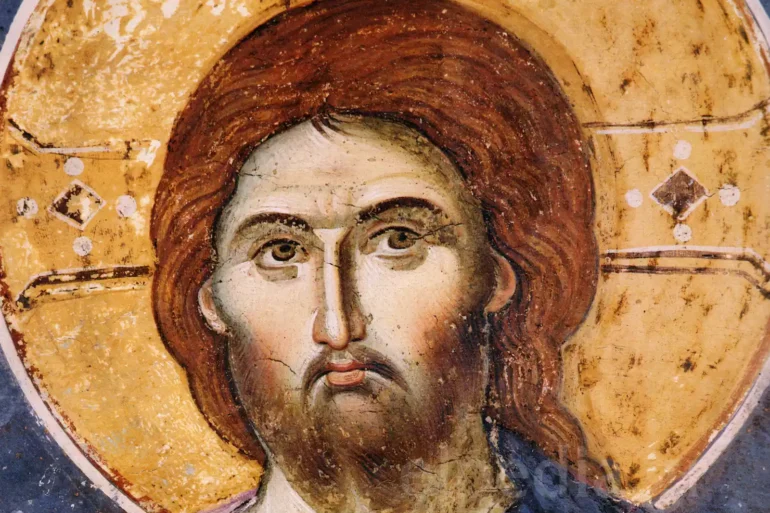
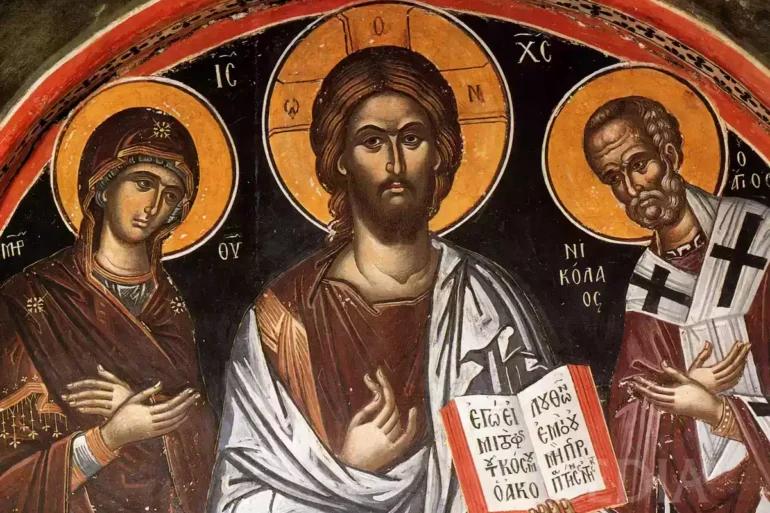
The serene and wise face of Christ Enthroned, painted by the Full Moon.
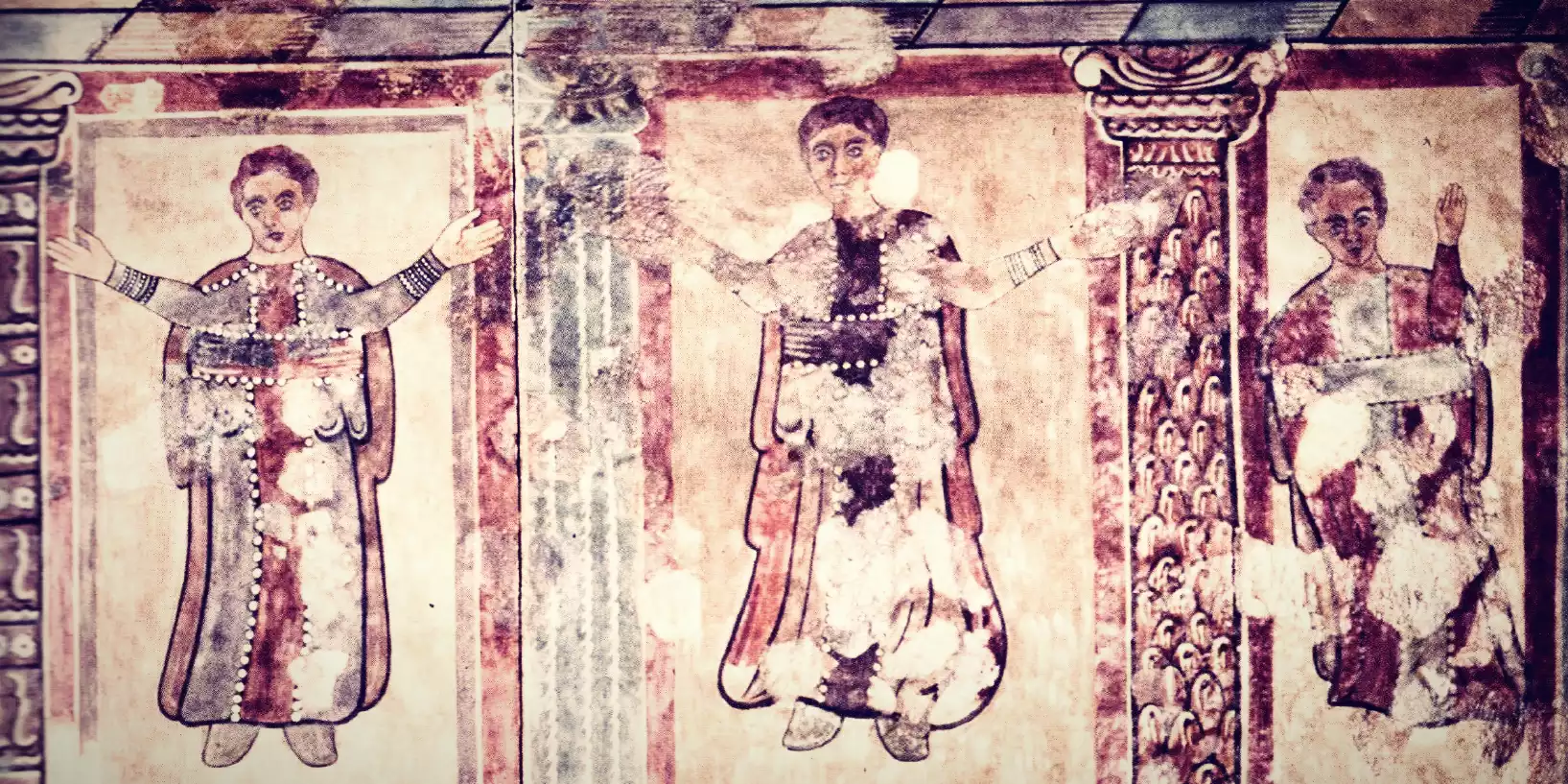
Early Christian Art was born out of the fusion of pagan and Christian symbols and themes. The Emperor Constantine played...
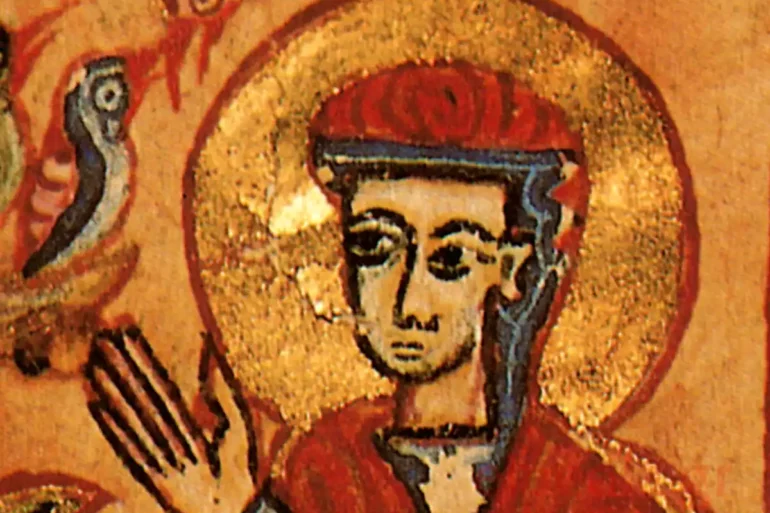
Analysis of the Miniature from the Armenian Hymnbook of 1591.
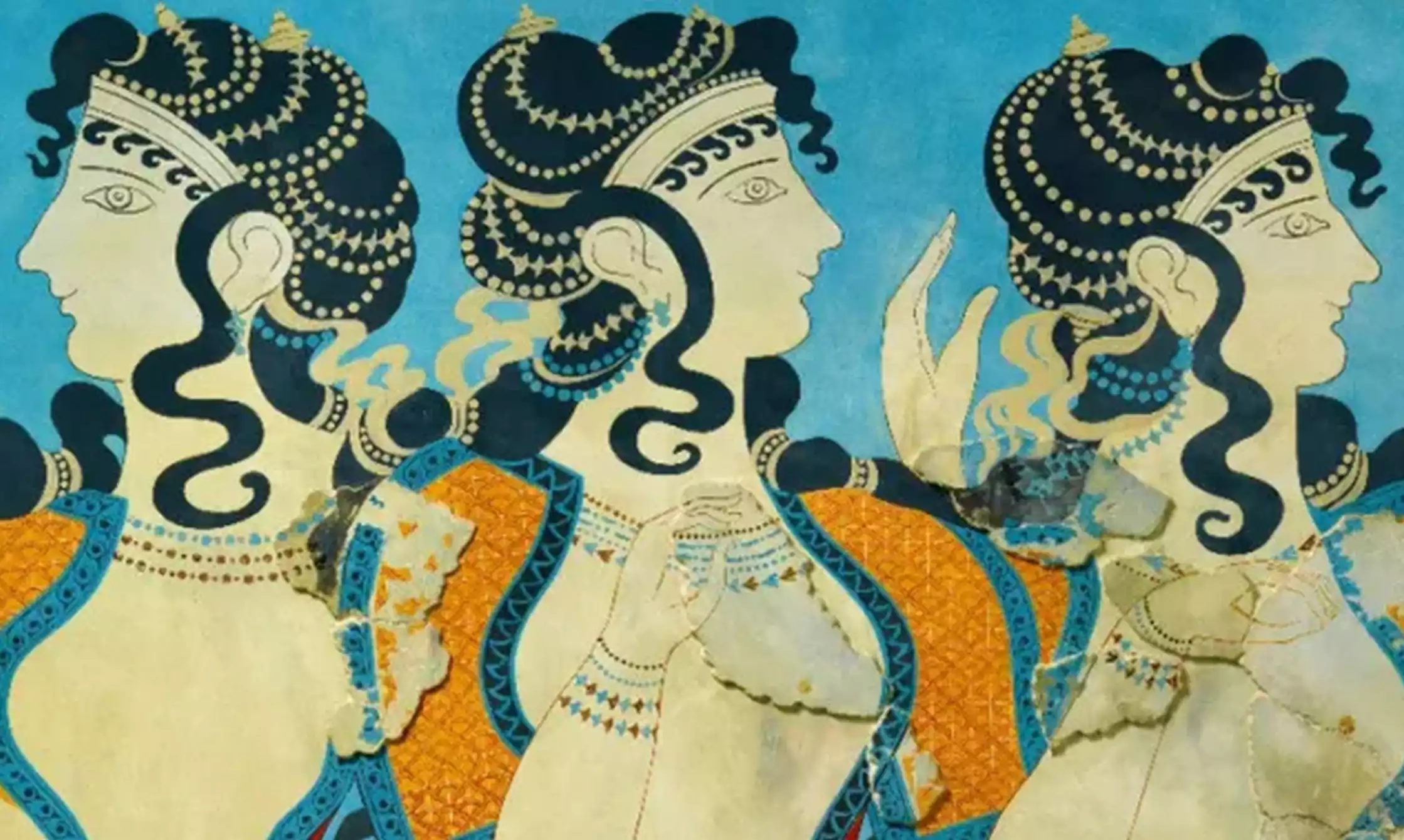
Minoan art is a unique chapter in human civilization, characterized by remarkable vitality and naturalism.
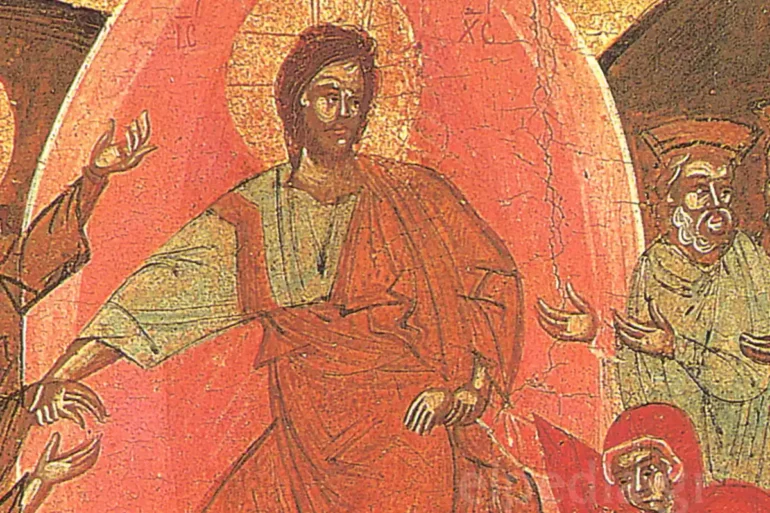
Christ’s Descent into Hades, also revered in the Orthodox tradition as the Anastasis or Resurrection, is one of the most...
The Supplication of Theophanes Strelitzas, a masterpiece of post-Byzantine art that combines tradition and innovation at the Stavronikita Monastery.
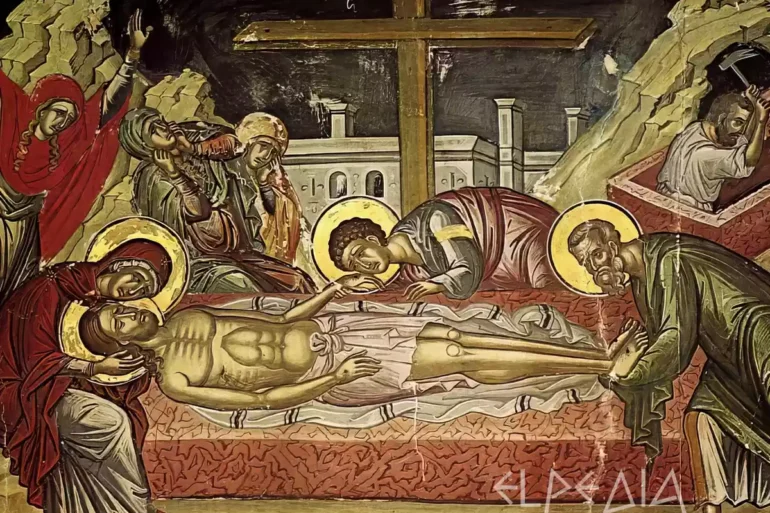
Title: Christ’s Burial (1546) Artist Name: Theophanes the Cretan Genre: Byzantine Religious Art / Post-Byzantine Icon Date: 1546 CE Materials:...
Byzantine art flourished for over 1,000 years, centered in Constantinople and focused on the Christian Orthodox Church. It is marked by religious icons, monumental churches, and a sense of timelessness.
Definitions and key characteristics of Byzantine art
Byzantine art thrived within the context of the Byzantine Empire, with Constantinople serving as its capital from 330 AD until the fall in 1453. It spans a period of more than a millennium and is characterized by a sense of continuity and timelessness.
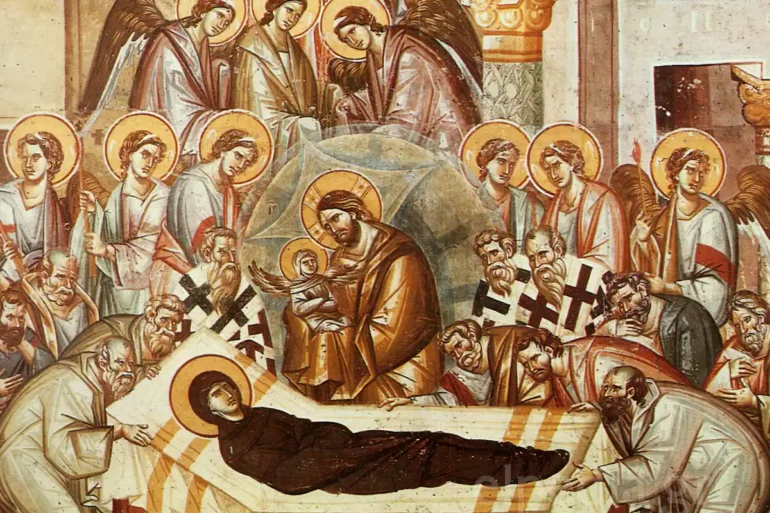
The impressive fresco of the Dormition of the Theotokos in Ohrid (1294/95) is a prime example of Palaiologan art.